
Blues To Coltrane Vinyl Record
Cal Massey, a track title from the Clifford Jordan album “Glass Bead Games”. And this album, the only one recorded under his name. There was much more to his musical life than this title.
Born January 11th 1928 in Philadelphia, Pennsylvania, Massey studied trumpet under Freddie Webster, and following this played in the big bands of Jay McShann, Jimmy Heath, and Billie Holiday. After that he mainly worked as a composer.
In the late 1950s he led an ensemble with Jimmy Garrison, McCoy Tyner, and Tootie Heath; John Coltrane and Donald Byrd occasionally played with them. In the 1950s he gradually receded from active performance and concentrated on composition; his works were recorded by Coltrane, Tyner, Freddie Hubbard, Jackie McLean, Lee Morgan, Philly Joe Jones, Horace Tapscott and Archie Shepp. Massey played and toured with Shepp from 1969 until 1972. He also performed in The Romas Orchestra with Romulus Franceschini.
In examining Massey’s life and music, three names continually emerge. One is that of the great tenor saxophonist John Coltrane, whom Massey met as a teenager in Philadelphia and who remained a close friend until his death in 1967. After Coltrane’s passing, Massey frequently joined forces with saxophonist, poet, and playwright Archie Shepp; though Shepp was about ten years Massey’s junior, the two developed a bond that remained close for the rest of the older man’s life. Massey, Coltrane, and Shepp are all linked by the prolific but obscure composer and arranger Romulus Franceschini, who lent his hand to many important jazz projects, such as Coltrane’s Africa/Brass and Shepp’s Attica Blues. He maintained with Massey a symbiotic relationship not unlike that of Billy Strayhorn and Duke Ellington. On the whole, as in the case of Ellington and Strayhorn, it was difficult to tell where one musician’s contribution ended and the other’s began.
Massey also shared a radical political stance with Shepp and Franceschini. It is impossible to separate his work from the militant arm of the Civil Rights Movement that took shape in the 1960s and 1970s. As Fred Ho has noted, “Titles such as ‘[Hey Goddamn It], Things Have Got to Change,’ ‘The Damned Don’t Cry,’ and ‘The Cry of My People’ spoke directly to a consciousness of oppression and a politics of liberation.” In fact, the Black Panthers were a driving force behind Massey’s creation (with Franceschini) of The Black Liberation Movement Suite. At the first Pan-African Arts Festival in Algiers in 1969 Massey met exiled Panthers leader Eldridge Cleaver who commissioned the Suite primarily as a fundraising venture. The work would be performed at Black Panther benefits three times during Massey’s lifetime.
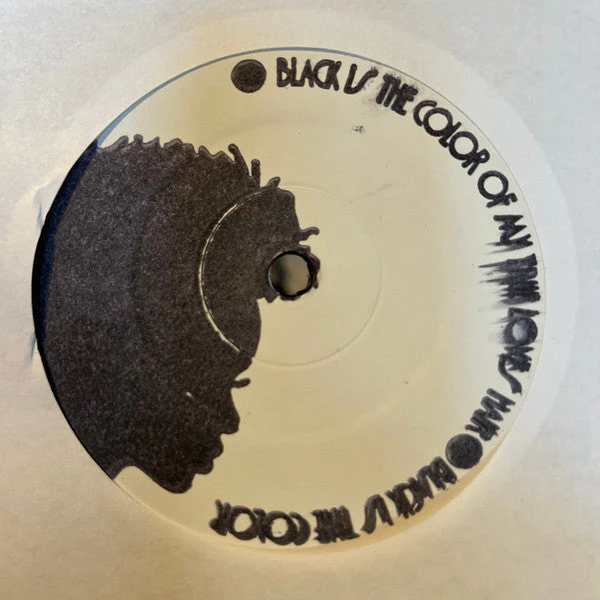
Massey paid heavy dues for his adventurous music and ideology, as did many of his contemporaries. According to his widow, an altercation with an executive at Blue Note Records resulted in his being blacklisted (or, as Fred Ho put it, “whitelist-ed”) from major recording companies. As a result, only one album was recorded under his name, Blues to Coltrane (Candid, recorded 1961, released 1987).
Massey died from a heart attack at the age of 44 in New York City, New York. October 25, 1972.
- Re-mastering by: Ray Staff at Air Mastering, Lyndhurst Hall, London
- Genre: JAZZ
- Format Detail: LP Black
- Handling Note: **Please allow an additional 5 business days for this item's shipment.**
- Format: Vinyl
- Released: 5/17/19
- Internal ID: JIT
Original: $49.99
-70%$49.99
$15.00Product Information
Product Information
Shipping & Returns
Shipping & Returns
Description
Cal Massey, a track title from the Clifford Jordan album “Glass Bead Games”. And this album, the only one recorded under his name. There was much more to his musical life than this title.
Born January 11th 1928 in Philadelphia, Pennsylvania, Massey studied trumpet under Freddie Webster, and following this played in the big bands of Jay McShann, Jimmy Heath, and Billie Holiday. After that he mainly worked as a composer.
In the late 1950s he led an ensemble with Jimmy Garrison, McCoy Tyner, and Tootie Heath; John Coltrane and Donald Byrd occasionally played with them. In the 1950s he gradually receded from active performance and concentrated on composition; his works were recorded by Coltrane, Tyner, Freddie Hubbard, Jackie McLean, Lee Morgan, Philly Joe Jones, Horace Tapscott and Archie Shepp. Massey played and toured with Shepp from 1969 until 1972. He also performed in The Romas Orchestra with Romulus Franceschini.
In examining Massey’s life and music, three names continually emerge. One is that of the great tenor saxophonist John Coltrane, whom Massey met as a teenager in Philadelphia and who remained a close friend until his death in 1967. After Coltrane’s passing, Massey frequently joined forces with saxophonist, poet, and playwright Archie Shepp; though Shepp was about ten years Massey’s junior, the two developed a bond that remained close for the rest of the older man’s life. Massey, Coltrane, and Shepp are all linked by the prolific but obscure composer and arranger Romulus Franceschini, who lent his hand to many important jazz projects, such as Coltrane’s Africa/Brass and Shepp’s Attica Blues. He maintained with Massey a symbiotic relationship not unlike that of Billy Strayhorn and Duke Ellington. On the whole, as in the case of Ellington and Strayhorn, it was difficult to tell where one musician’s contribution ended and the other’s began.
Massey also shared a radical political stance with Shepp and Franceschini. It is impossible to separate his work from the militant arm of the Civil Rights Movement that took shape in the 1960s and 1970s. As Fred Ho has noted, “Titles such as ‘[Hey Goddamn It], Things Have Got to Change,’ ‘The Damned Don’t Cry,’ and ‘The Cry of My People’ spoke directly to a consciousness of oppression and a politics of liberation.” In fact, the Black Panthers were a driving force behind Massey’s creation (with Franceschini) of The Black Liberation Movement Suite. At the first Pan-African Arts Festival in Algiers in 1969 Massey met exiled Panthers leader Eldridge Cleaver who commissioned the Suite primarily as a fundraising venture. The work would be performed at Black Panther benefits three times during Massey’s lifetime.
Massey paid heavy dues for his adventurous music and ideology, as did many of his contemporaries. According to his widow, an altercation with an executive at Blue Note Records resulted in his being blacklisted (or, as Fred Ho put it, “whitelist-ed”) from major recording companies. As a result, only one album was recorded under his name, Blues to Coltrane (Candid, recorded 1961, released 1987).
Massey died from a heart attack at the age of 44 in New York City, New York. October 25, 1972.
- Re-mastering by: Ray Staff at Air Mastering, Lyndhurst Hall, London
- Genre: JAZZ
- Format Detail: LP Black
- Handling Note: **Please allow an additional 5 business days for this item's shipment.**
- Format: Vinyl
- Released: 5/17/19
- Internal ID: JIT